Our Process
Underground Tech
Streamlined Processes for Underground Infrastructure Challenges
At Underground Tech, we follow a proven process to ensure every sewer rehabilitation and wastewater infrastructure project is completed safely, efficiently, and to the highest standards. From initial assessment and planning to rehabilitation, quality assurance, and project completion, our team utilizes advanced technologies, industry expertise, and careful project management to deliver reliable solutions that extend asset life and improve system performance. Learn more about key service processes below.
Trenchless Pipe Repair
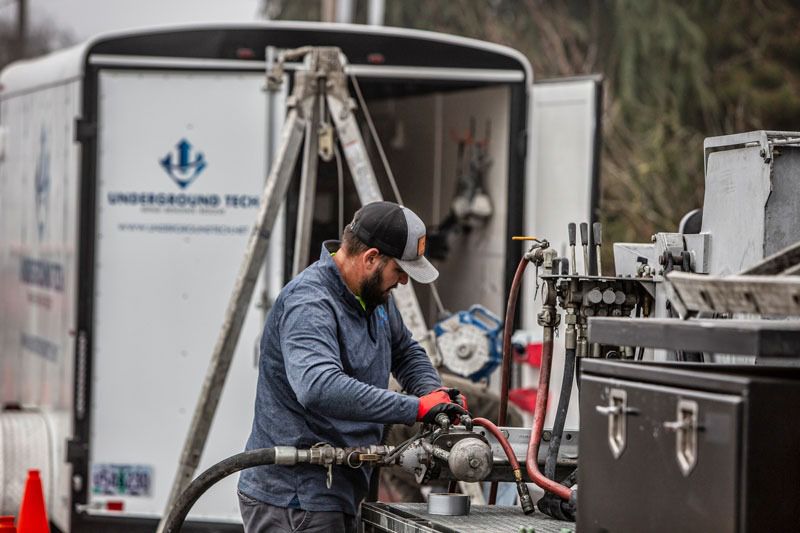
Tired of costly, disruptive sewer line repairs? Underground Tech's trenchless pipe repair solution eliminates the need for extensive digging while providing a durable, long-lasting repair.
How It Works
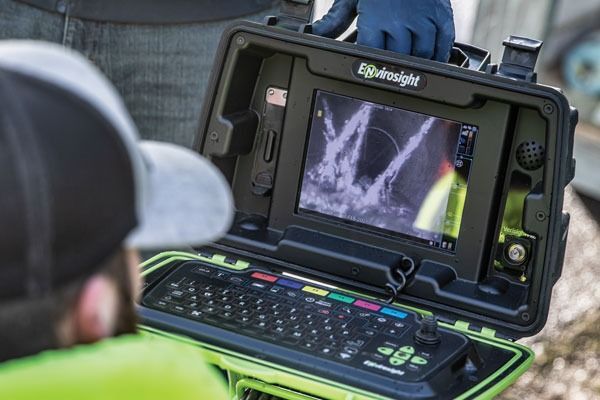
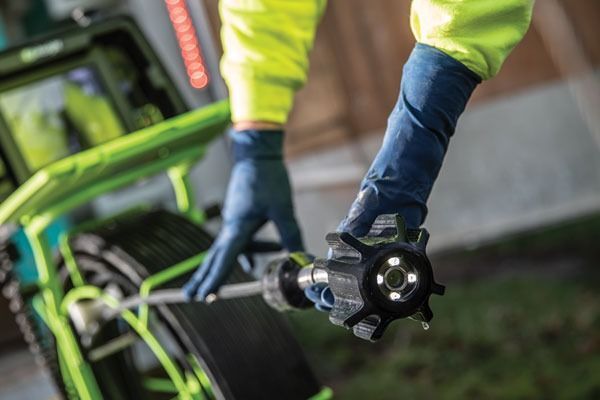
- We clean the line with high-pressure jetting and inspect it with a camera to locate the damaged area.
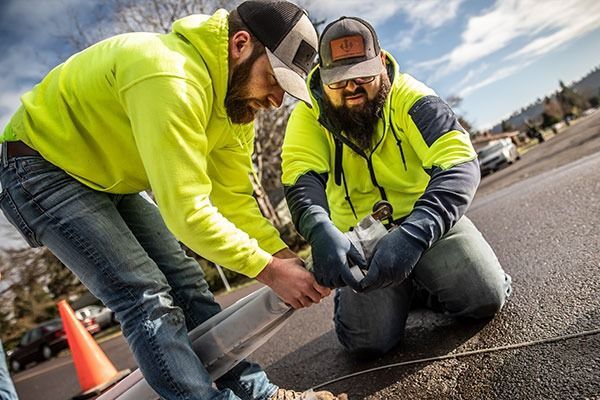
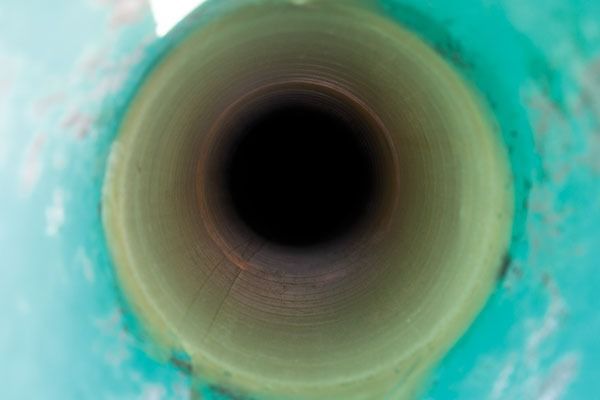
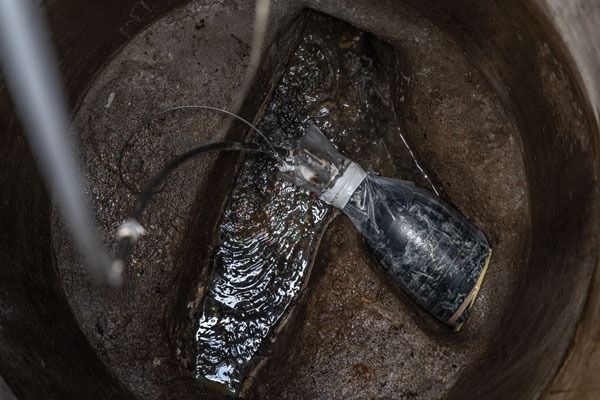
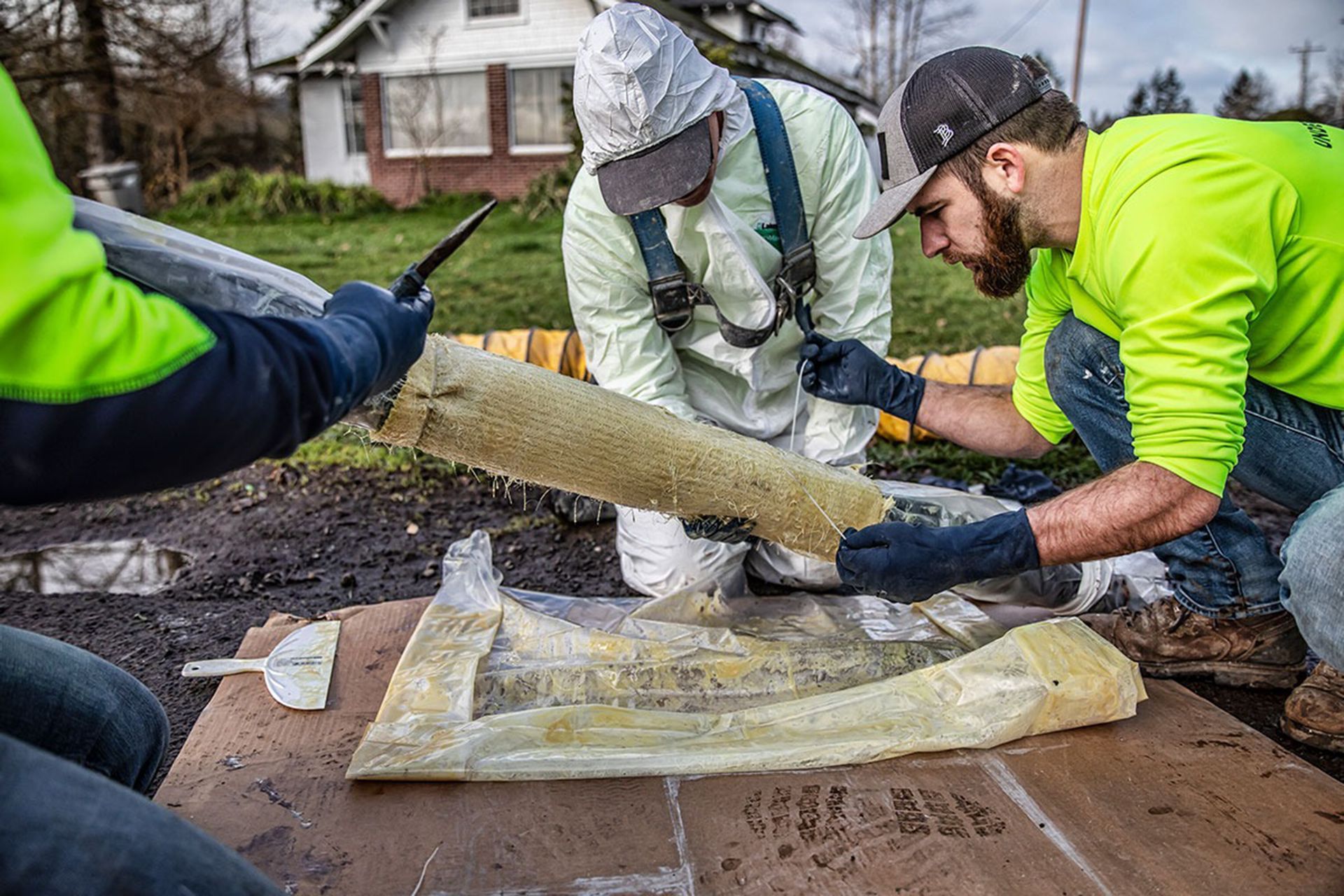
- An epoxy-saturated fiberglass liner is positioned and inflated at the defect.
- Once cured, the liner forms a permanent repair that is stronger than the original pipe.
With no trenches across your yard, we can restore your sewer line quickly, efficiently, and with minimal disruption.
Pricing Factors
Trenchless point repairs typically start around $3,900, with costs varying based on:
- Distance to the project site
- Pipe condition and accessibility
- Size of the repair area
Manhole Rehabilitation
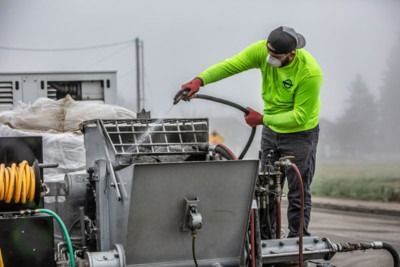
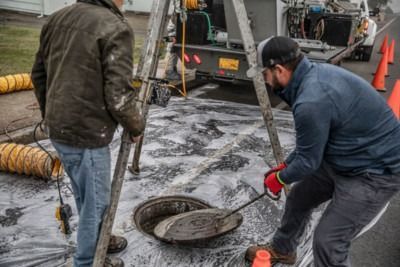
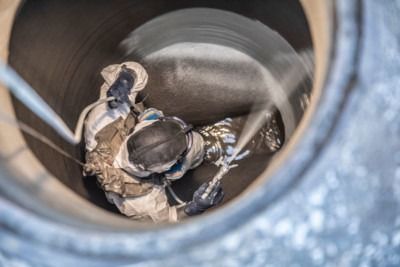
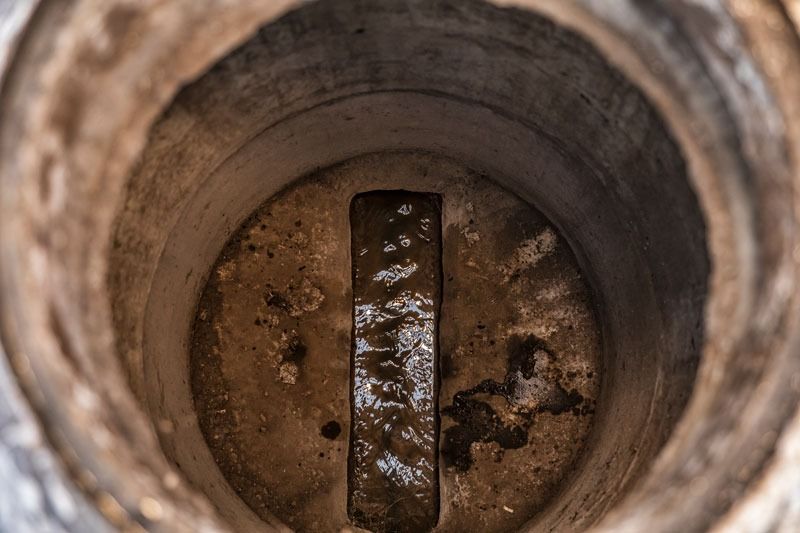
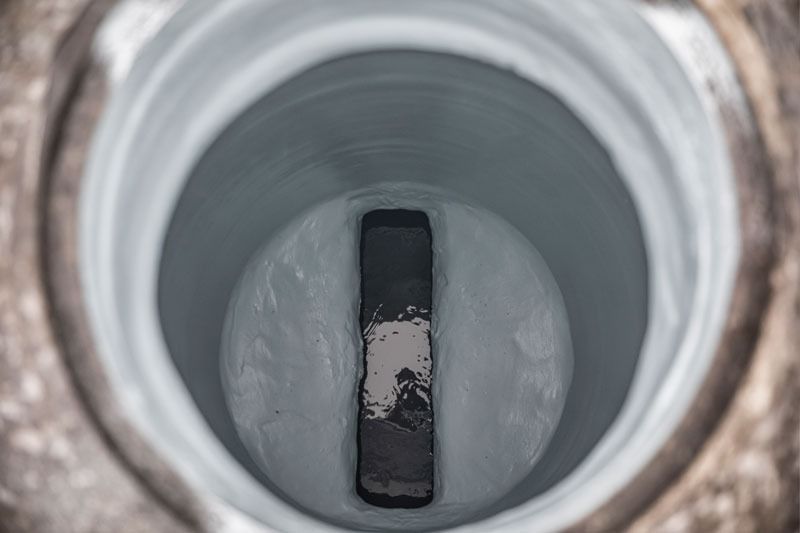
Underground Tech's manhole rehabilitation services restore deteriorated manholes and extend the life of critical wastewater infrastructure without the need for costly replacement. Using the Mainstay Composite Liner system, we combine high-strength restoration mortar with a corrosion-resistant epoxy coating to create a durable, seamless barrier that protects against infiltration, corrosion, and structural deterioration.
Designed specifically for moisture-prone environments, this system performs exceptionally well in manholes and lift stations where damp conditions often make traditional coating applications difficult. With a 50-year design life, the Mainstay Composite Liner helps municipalities and utility owners improve system reliability while reducing long-term maintenance costs.
How It Works
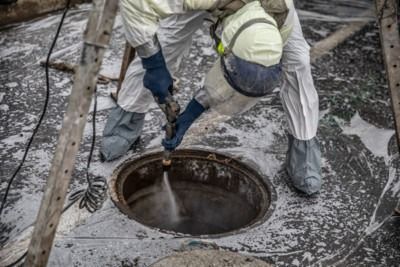
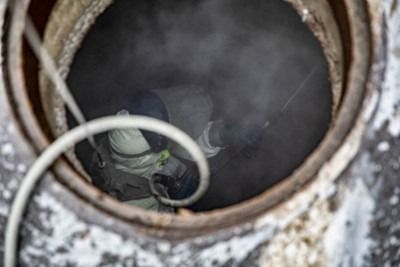
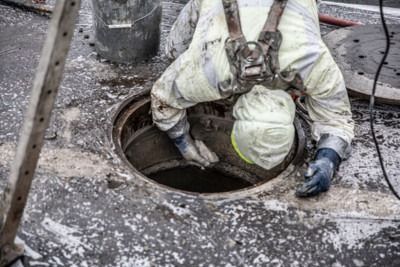
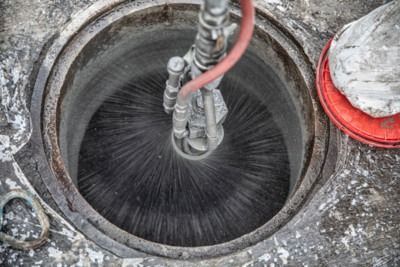
- Clean and Prepare the Structure: The rehabilitation process begins by thoroughly cleaning the manhole, typically using high-pressure water to remove debris, corrosion, and loose material. Any active leaks are identified and stopped before restoration begins.
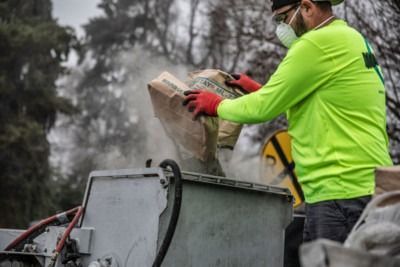
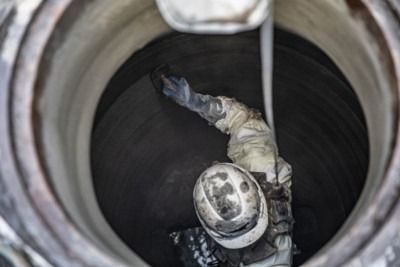
- Apply Restoration Mortar: A specialized microsilica restoration mortar is applied using shotcrete equipment or the Mainstay Mortar Spinner. This high-build mortar can restore damaged walls and surfaces, often rebuilding the structure to its original thickness.
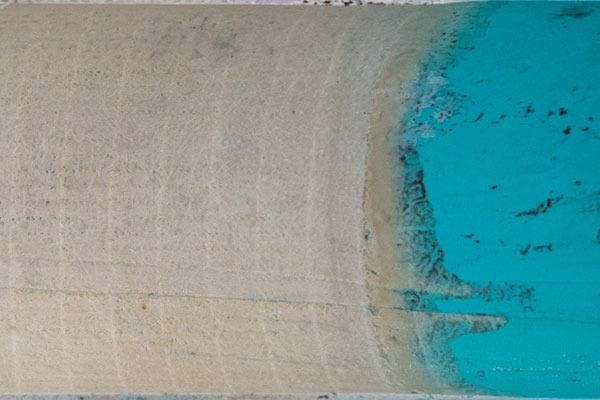
- Apply Protective Epoxy Coating: While the mortar is still soft, a 100% solids epoxy coating is applied directly over the surface. This creates a monolithic bond between the mortar and coating, resulting in exceptional strength and corrosion resistance.
- Return the Manhole to Service: Because the mortar and epoxy are installed simultaneously, there is no need to wait for the mortar to cure before coating. Most manholes can be rehabilitated and returned to service within a single day, minimizing downtime and reducing labor costs.
Centrifugally Cast Concrete Pipe
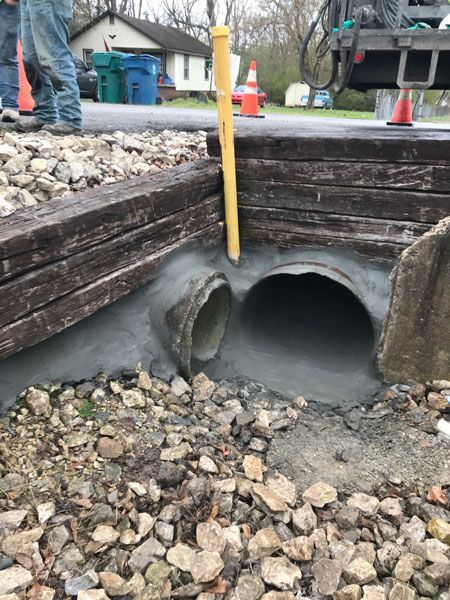
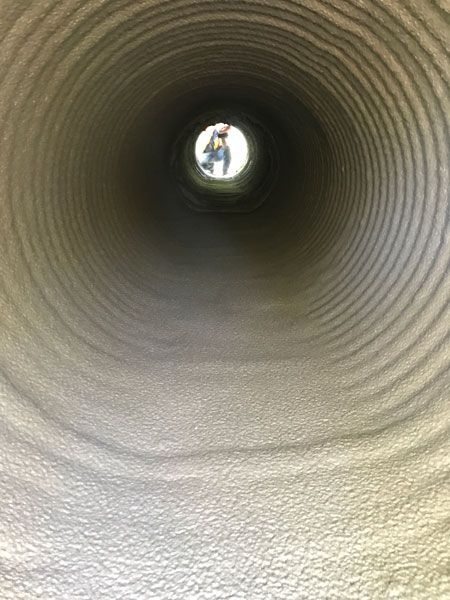
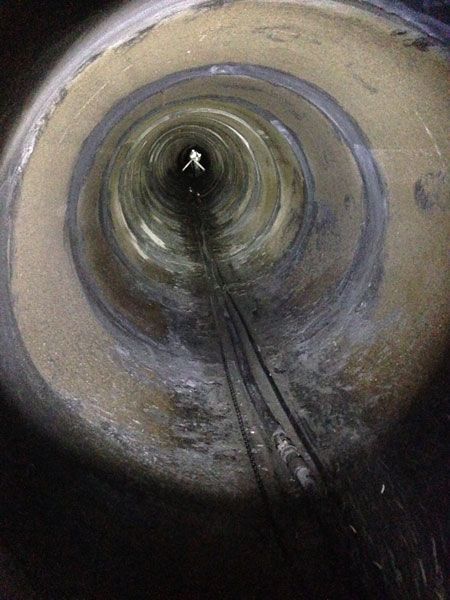
Underground Tech uses Centrifugally Cast Concrete Pipe (CCCP) technology to restore failing culverts and large-diameter pipelines without the disruption of excavation and replacement. This fully structural rehabilitation method creates a new high-strength concrete pipe inside the existing structure, extending its service life and restoring long-term performance.
CCCP is ideal for rehabilitating deteriorated concrete, brick, and corrugated metal pipelines ranging from 30 to 120 inches in diameter, including circular, elliptical, arched, and other non-round shapes. Whether damage is caused by age, corrosion, erosion, environmental conditions, or structural failure, CCCP provides a durable, cost-effective solution that minimizes disruption while delivering a fully restored pipeline.
How It Works
- Pipe Inspection and Evaluation: The process begins with a thorough inspection of the existing pipe. Engineers evaluate the pipe's condition, dimensions, depth, groundwater conditions, and structural requirements to determine the appropriate liner thickness and rehabilitation design.
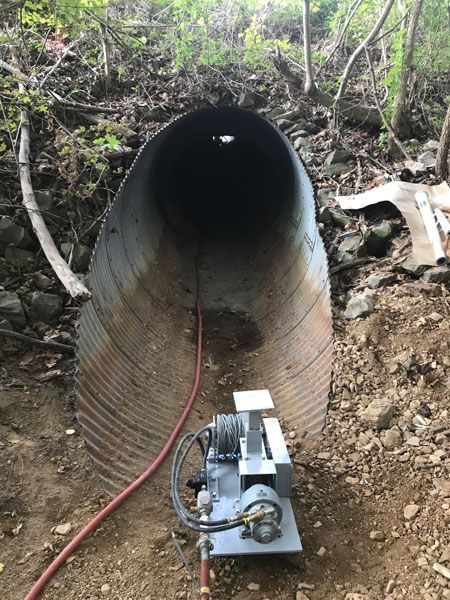
- Cleaning and Preparation: Water flow is temporarily controlled, and the pipe is cleared of debris, sediment, roots, mud, gravel, and other obstructions. The pipe interior is then thoroughly cleaned to prepare it for rehabilitation.
- Structural Repairs: If significant damage is present, repairs are completed before lining begins. Mortar is used to repair defects, seal voids, and create a stable structural base for the new liner.
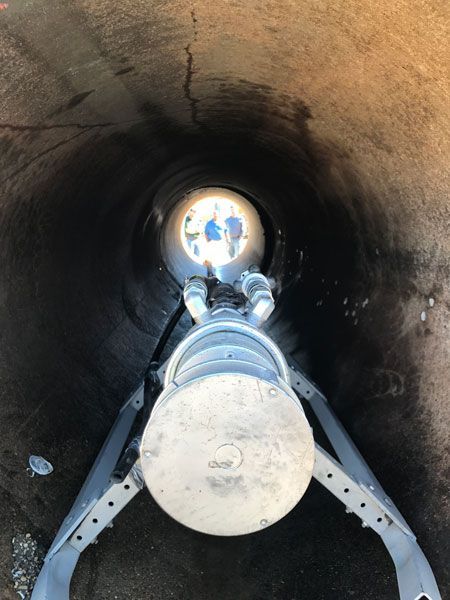
- Concrete Liner Installation: A specialized spin-casting machine is placed inside the pipe. As it rotates, high-strength mortar is evenly applied to the pipe walls. The machine travels through the pipe at a controlled speed to ensure a uniform liner thickness from end to end.
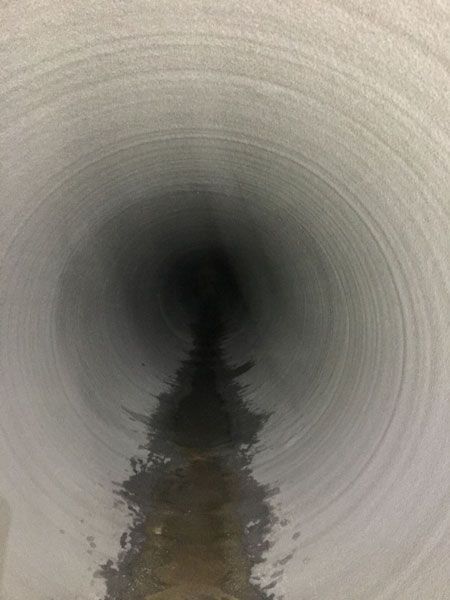
- Curing and Return to Service: The new concrete liner cures in place within hours, creating a seamless, structurally sound pipe inside the existing one. Once curing is complete, the pipeline can quickly be returned to service.
Advantages of CCCP Rehabilitation
- Fully Structural Rehabilitation
- High-Strength Solution (ML-72 mortar achieves compressive strengths of up to 10,000 PSI)
- Cost-Effective Alternative
- Minimal Disruption (Avoids extensive excavation, repaving, traffic detours, and other disruptions)
- Suitable for Large and Non-Round Pipes
- Waterproof and Corrosion Resistant
- Extends Asset Life
- Preserves Pipe Capacity